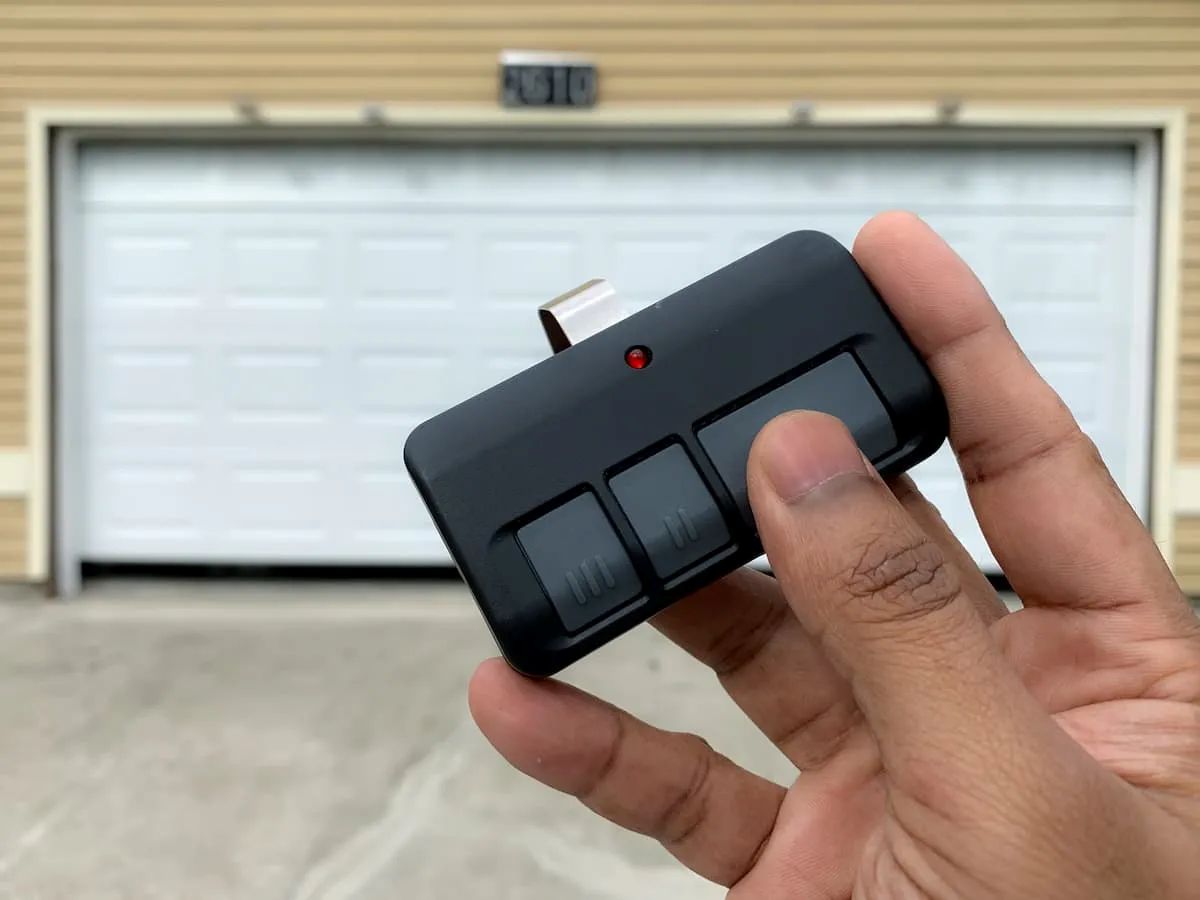
Your garage door opener battery won’t last forever, and knowing when it needs replacing can save you from getting stuck with a door that won’t budge. A reliable garage door team can help you understand battery maintenance, but it’s good to know the basics yourself. This post covers how long these batteries typically last, what factors affect their lifespan, and the warning signs that indicate it’s time for a new one. We’ll also share tips to get the most life out of your battery and why regular upkeep matters. Plus, we’ll touch on how to properly recycle old batteries when you’re done with them.
Average Lifespan of Garage Door Opener Batteries
Most garage door opener batteries last between 3 and 5 years before you’ll need to replace them. How long yours lasts depends on how often you use it, the temperature swings in your garage, and the quality of the battery. Regular maintenance can stretch that lifespan a bit further. Pay attention to how the battery performs if it drains faster than usual or the door operates sluggishly; that’s your cue. When it’s time for a replacement, make sure the new battery works with your specific opener model. Being proactive about replacement helps you avoid the hassle of a dead battery catching you off guard.
Factors Affecting Battery Longevity
A few key factors determine how long your garage door opener battery will last: how often you use it, temperature changes, and the battery’s build quality. Opening and closing the door frequently means more recharging cycles, which wear out the battery faster. Temperature plays a big role, too; extreme heat or cold can accelerate battery degradation beyond normal conditions. The quality of the battery matters as well. Higher-quality batteries with better materials typically outlast cheaper options. Knowing what affects battery life helps you make smarter choices about usage and maintenance.
Signs Your Battery Needs Replacement
Catching the warning signs early keeps your garage door running smoothly. Here are four indicators that your battery needs replacing:
- Diminished Performance: Slower response times or weaker door operation often point to a failing battery.
- Frequent Recharging: If you’re recharging more often than usual, the battery’s capacity is dropping.
- Low Voltage Warnings: Constant low-voltage alerts on your opener’s display indicate the battery can’t hold a charge like it used to.
- Audible Alarms: Beeping sounds or repeated alerts from the opener usually signal a battery nearing the end of its life.
Tips to Extend Battery Life
Getting the most out of your garage door opener battery comes down to good maintenance habits. Keep the battery fully charged to maintain solid performance. Check the terminals regularly for corrosion and clean them off if you spot any buildup. This keeps the connection strong. Store or position the battery away from extreme temperatures since both intense heat and cold can shorten its lifespan. Only use the garage door opener when you actually need to, which conserves battery power over time. A high-quality battery charger can also help maintain the battery’s long-term health.
Importance of Regular Maintenance
Consistent upkeep keeps your garage door opener battery performing at its best. Here’s what to stay on top of:
- Regular Inspections: Look for corrosion or wear on the battery terminals.
- Clean Connections: Wipe down terminals with a baking soda and water mix to keep connections secure.
- Tighten Loose Parts: Keep all opener components snug to avoid putting extra strain on the battery.
- Lubricate Moving Parts: Apply lubricant to reduce friction and extend the system’s overall life.
Recycling Old Batteries
When your battery finally dies, don’t just toss it in the trash. Lead-acid batteries, the type commonly found in garage door openers, contain toxic substances like lead and sulfuric acid that can harm the environment. Recycling facilities extract reusable materials from these batteries, reducing waste and conserving resources. Many hardware stores, recycling centers, and local government facilities accept old batteries. Taking a few minutes to recycle helps keep harmful chemicals out of landfills and supports responsible waste management. Every battery you recycle is a small step toward a cleaner environment.
Related Topics:
Leave a Reply