Author: admin

  • How to Paint a Garage Door Like a Pro

    How to Paint a Garage Door Like a Pro

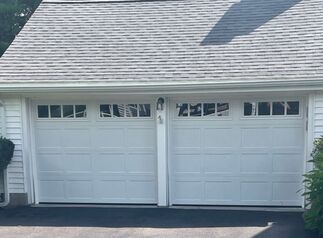
    Still, homeowners can also achieve professional results themselves by properly preparing the door, choosing the right paint, and applying it carefully. This guide explains each step from preparation to finishing touches, ensuring a smooth, long-lasting paint job that enhances the door’s appearance and durability.

    Preparing the Garage Door Surface

    Before painting, the garage door surface must be thoroughly prepared to achieve a smooth and lasting finish. Begin by cleaning the door using a mixture of water and a mild detergent to remove dirt, grease, and mildew. Allow the surface to dry completely.

    Next, inspect for cracks, holes, or imperfections and fill them with high-quality wood filler or a suitable patching material. Sand the door lightly with fine-grit sandpaper to create a smooth surface for paint adherence. Applying a good primer ensures the topcoat bonds properly and enhances durability, which is essential for a professional-looking result.

    Choosing the Right Paint and Tools

    Selecting the appropriate paint and tools makes a noticeable difference in the outcome. Use high-quality exterior latex paint designed for metal surfaces, as it resists weathering and prevents peeling. Consider the color carefully to complement your home’s overall aesthetic.

    For tools, a synthetic-bristle brush works well for detailed areas, while a roller covers larger surfaces more efficiently. Painter’s tape can protect edges and surrounding areas, and a stable ladder is necessary to reach higher sections of the door safely.

    Cleaning and Priming the Door

    Cleaning and priming the garage door surface is critical to achieving a flawless finish. Wash the door thoroughly to remove dirt and grime, then sand lightly to smooth the surface. Fill any cracks or holes with an appropriate filler, ensuring the repairs are flush with the surrounding surface.

    Apply a quality primer evenly across the entire door, allowing it to dry completely before painting. Proper priming improves paint adhesion and extends the finish’s longevity, preventing early wear.

    Applying the Paint

    Once the primer has dried, the door is ready for paint. Mix the paint thoroughly for a consistent color, and apply it with smooth, even strokes using a brush or sprayer. Begin at the top and work down to prevent drips and streaks. Pay careful attention to recessed panels and edges to ensure full coverage.

    Allow the first coat to dry completely, then apply a second coat if necessary. Following the manufacturer’s instructions for drying times and conditions ensures the paint cures properly and maintains a durable finish.

    Adding Finishing Touches

    After the final coat has dried, finishing touches enhance both appearance and functionality. Adding weatherstripping seals gaps to prevent drafts and moisture intrusion. Upgrading worn hardware, such as handles and hinges, refreshes the door’s look. Decorative accents or trim can add visual interest and complement the style of the home.

    Applying a protective topcoat provides extra resistance against the sun, rain, and other elements. Careful attention to these details ensures a polished and durable final result.

    Maintaining Your Painted Garage Door

    Regular maintenance keeps the garage door looking fresh and protects it from damage. Wash the door periodically with a mild detergent and water, rinse thoroughly, and dry with a soft cloth. Inspect for signs of peeling, cracking, or other damage and touch up areas as needed.

    Repainting every few years can restore color and protect the surface from weathering. Routine maintenance ensures that the garage door remains an attractive and functional feature of the home for years to come.


    Related Topics:

  • How to Reset Garage Door Opener: Troubleshooting Tips

    How to Reset Garage Door Opener: Troubleshooting Tips

    This guide walks you through the most common troubleshooting steps. You’ll learn about power cycling, battery replacement, remote control fixes, and sensor problems. These simple techniques can save you time and money on repair calls.

    Power Cycle the Garage Door Opener

    Start by power cycling your garage door opener to reset the system and fix basic issues. Find the power cord connected to the opener motor and unplug it from the wall outlet.

    Wait about 30 seconds so all parts can fully reset. Plug the power cord back in and watch how the opener responds.

    If it still doesn’t work, check your circuit breaker to make sure it hasn’t tripped. Also, look at the power outlet for damage or loose connections. This simple reset often fixes minor problems quickly.

    Check and Replace Batteries

    Look at the battery compartment of your remote control for corrosion or weak batteries. Corrosion blocks electrical connections and causes problems.

    If you see corrosion, clean it carefully with a small brush or cloth dipped in vinegar. Make sure batteries are inserted correctly with the right polarity. Weak batteries cause strange behavior in garage door openers.

    Replace old batteries with fresh ones of the same type. Use good-quality alkaline batteries for the best results. Regular battery checks keep your opener working smoothly.

    Reset the Remote Control

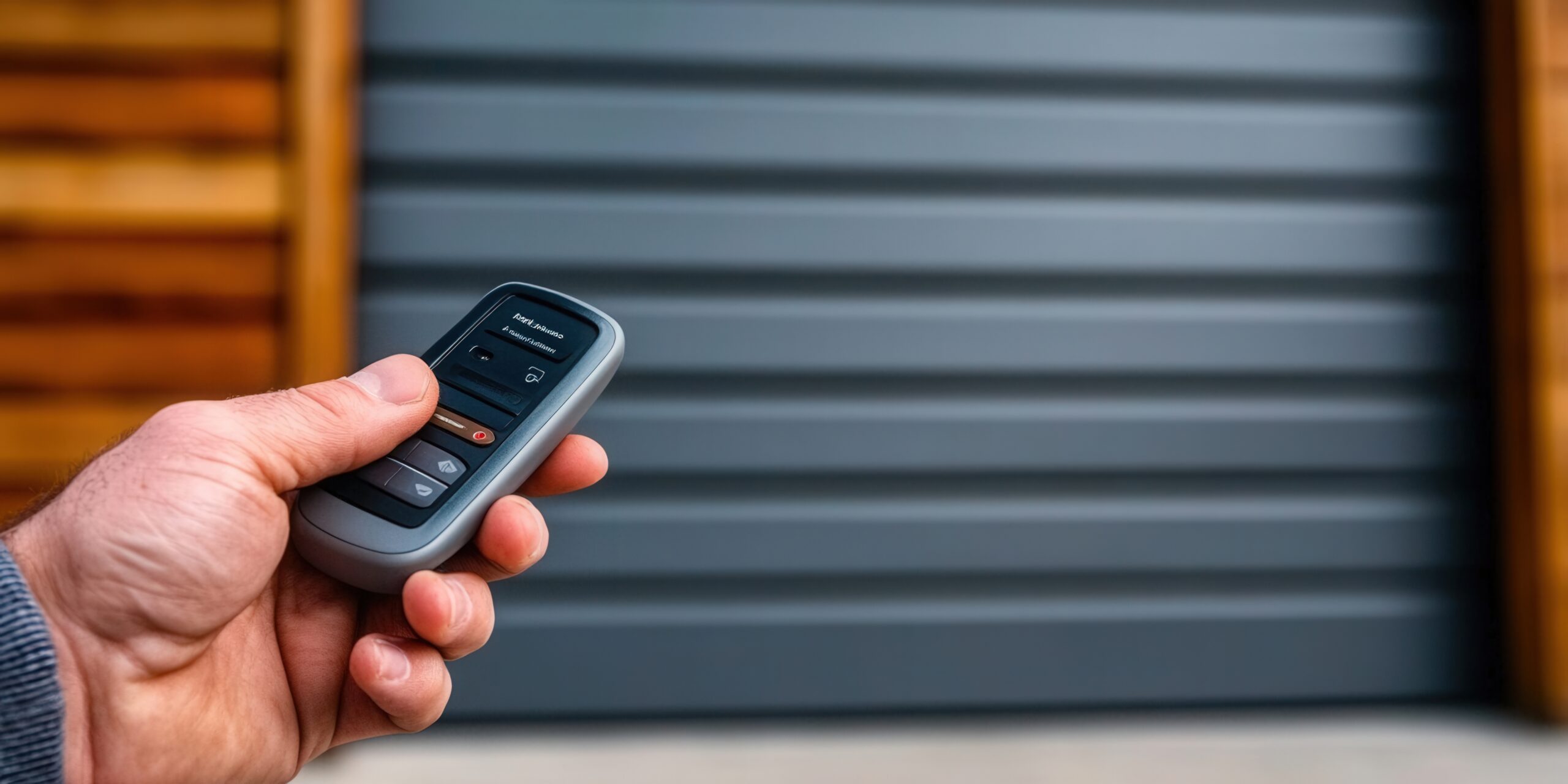
    Fix remote control problems by resetting the connection between your remote and opener. Find the ‘Learn’ button on the opener unit near the antenna. Press and hold this button until the light turns on, then let go. Press the button you want to use on your remote within 30 seconds.

    The opener light should flash to show successful programming. Test your remote to make sure it works with the garage door. If problems continue, check that your remote has fresh batteries and you’re close enough to the opener.

    Adjust the Limit Settings

    Use the adjustment screws on your garage door opener to fix how far the door opens and closes. Turn the ‘open’ screw clockwise to make the door go higher or counterclockwise to make it stop lower. Use the ‘close’ screw the same way to adjust the closing position.

    Make small changes and test the door after each adjustment. The door should move smoothly without stopping or jerking. Keep adjusting until the door reaches the right position. Check your owner’s manual for specific instructions about your model.

    Inspect and Replace Sensors

    Check the sensors that keep your garage door safe by detecting objects in the door’s path. Look at sensor alignment and cleanliness first since misaligned or dirty sensors cause malfunctions. Use a level to check proper alignment and a soft cloth to clean off dirt or debris.

    If sensors still don’t work after cleaning and aligning, you may need to replace them. Follow manufacturer guidelines for compatible replacements and installation instructions to restore proper operation.

    Consult the Owner’s Manual

    Your owner’s manual contains specific information about your garage door opener model. It includes wiring diagrams, programming steps, troubleshooting charts, and safety information.

    Use the table of contents to find what you need quickly. Pay attention to warnings and notes from the manufacturer. The manual may also have contact information for customer support if you need extra help.


    Related Topics:

  • How to Open Garage Door Manually Safely and Easily

    How to Open Garage Door Manually Safely and Easily

    Manual operation requires awareness and care, including clearing the area, checking for obstacles, and disengaging the automatic opener. Learning the proper steps helps prevent damage to the door and avoids potential injuries. In the following guide, you will find practical advice on each stage of manually opening a garage door.

    Safety Precautions

    Before attempting to operate a garage door manually, make sure the area is clear of children, pets, and any objects that could interfere with the door’s movement. Inspect the door for signs of damage or wear that might affect safe operation.

    Disconnect the automatic opener so that it does not activate while you are lifting the door. Always lift with your legs, not your back, to reduce the risk of strain. Taking these precautions ensures the process remains safe and controlled, preventing accidents and protecting both the door and anyone nearby.

    Locate Emergency Release Handle

    The emergency release handle is a critical feature that allows manual operation. Typically, it appears as a red cord hanging from the garage door opener near the center track. In some garages, the location may vary, so checking the owner’s manual can help.

    Ensure the garage door is fully closed before pulling the handle. Gently pull it downward and away from the door to disengage the automatic opener. This allows the door to move freely and safely without resistance from the motorized system.

    Disconnect Garage Door Opener

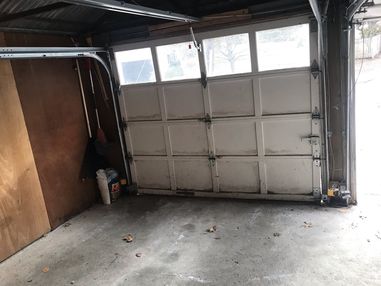
    To manually operate the door, disconnect the opener by pulling the emergency release cord. This cord usually hangs from the opener rail and is colored red. Pulling it down releases the door from the automatic system.

    You may hear a click, which confirms the mechanism has disengaged. Make sure the door is fully closed before doing this. Once disconnected, the door can be lifted by hand, allowing you to manage it safely until the opener is reconnected.

    Lift the Garage Door

    Manually lifting the garage door requires steady and even pressure. Stand facing the door with feet positioned for balance. Grasp the bottom edge of the door with both hands, bending your knees slightly to engage your legs.

    Lift the door gradually, keeping the movement controlled to avoid sudden jerks or strain. This method ensures the door opens smoothly while minimizing the risk of injury.

    Secure the Garage Door

    Once the door is lifted, secure it in place before leaving it unattended or working around it. Many doors include handles or locking levers that hold the door steady. Confirm that any locking mechanism engages fully.

    If you disengaged the opener using the emergency release cord, you can check that it stays in place by gently attempting to move the door. Securing the door prevents it from falling unexpectedly and maintains safety during maintenance or temporary manual use.

    Reconnect Garage Door Opener

    After the manual operation is complete, reconnect the opener to restore automatic functionality. Locate the emergency release cord on the opener and pull it toward the door until you hear a click.

    This indicates the opener has re-engaged with the door. Test the system by using the remote or wall control to verify proper operation. Correctly reconnecting the opener ensures the garage door functions smoothly and safely during normal operation.


    Related Topics:

  • How to Program a Garage Door Opener: A Step-by-Step Guide

    How to Program a Garage Door Opener: A Step-by-Step Guide

    The process involves gathering basic tools, finding the right buttons, and testing your work. This guide walks you through each step to help you complete the job safely and correctly.

    Gather Required Tools

    Before you program garage door opener systems, collect the tools you need for the job. Get a ladder to reach the opener unit, your owner’s manual, and a flashlight for better lighting.

    You’ll also want a pen and paper to write down codes or notes during setup. Check that your remote has fresh batteries before starting. Smart openers need internet access, so make sure your connection works properly.

    Locate the Learn Button

    Finding the Learn Button is your next step in the programming process. Look for the motor unit hanging from your garage ceiling, usually in the center area. The Learn Button sits on this unit and comes in different colors, like red, green, or black.

    This button helps sync your remote with the opener system. Keep your remote close by when you find the Learn Button, as you’ll need both items for the next steps.

    Clear Existing Programming

    Clearing old codes helps prevent problems with your new setup. Find the Learn Button on your garage door opener motor unit first. Hold this button down for 10-15 seconds until the light blinks or turns off completely.

    This action erases all previous remote and keypad codes from the system memory. Wait for the light to confirm the clearing process worked before moving forward with new programming.

    Program Remote Control

    Start by checking that your remote has working batteries for the best results. Here’s how to program your remote:

    • Stand close enough to the garage door opener for good signal strength.
    • Find the Learn Button on the opener motor unit.
    • Press and release the Learn Button, then within 30 seconds, hold down the remote button until the opener light blinks.

    Following these steps exactly will give you a working remote. A properly programmed remote makes using your garage much more convenient.

    Program Keypad (If Applicable)

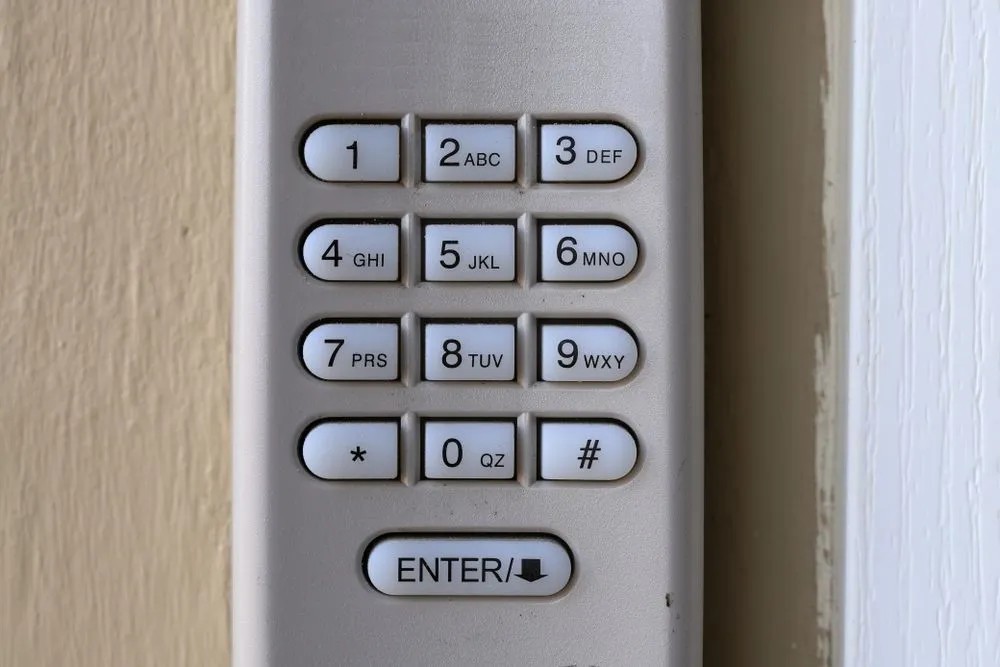
    Setting up your keypad gives you another way to open your garage door. Press the learn button on the opener until the light blinks. Choose a personal PIN and enter it on the keypad, then press Enter or Send.

    Watch for the opener light to flash or make a clicking sound. Test your keypad by entering your PIN and pressing Enter again. Keep your PIN private and don’t share it with people you don’t trust.

    Test the Garage Door Opener

    Testing your work confirms that everything operates correctly after programming. Press your remote button from inside your garage to check the connection. Here are three important things to watch during testing:

    • Watch Door Movement: Make sure the door opens and closes smoothly without jerking or making strange sounds.
    • Check Response Time: The door should move right away when you press the remote button.
    • Test Safety Features: Put something in the door’s path to make sure it stops and reverses when it hits an object.


    Related Topics:

  • What Are The Three Types of Garage Door Openers

    What Are The Three Types of Garage Door Openers

    Garage door openers generally fall into three categories: chain drive, belt drive, and screw drive. Chain drive openers are durable and perfect for heavy-duty tasks. Belt drives operate quietly, making them ideal for homes near living spaces.

    Chain Drive Garage Door Opener

    The chain drive garage door opener is a cost-effective and durable option for homeowners. It uses a metal chain to lift the door along a track, handling heavy doors with ease.

    While chain drives tend to be noisier than belt drives, they are known for long-term reliability and minimal maintenance. This system is ideal for those needing a dependable opener that can withstand heavy-duty tasks.

    Belt Drive Garage Door Opener

    The belt drive garage door opener provides quiet, smooth operation, making it an ideal choice for those prioritizing a quiet home environment. It uses a rubber belt to lift the door, producing minimal noise.

    While the initial cost may be higher than chain drive systems, the quiet operation and low maintenance needs make it popular for homes near bedrooms or living spaces.

    Screw Drive Garage Door Opener

    For screw drive openers, the design involves a steel rod that rotates to lift the door. Known for requiring less maintenance than chain or belt drives, this opener is strong and durable, capable of handling heavy garage doors.

    Regular lubrication of the screw is necessary for optimal performance. This system is perfect for homeowners seeking reliability with minimal upkeep.

    Noise Levels Comparison

    Noise levels are a key consideration in selecting a garage door opener. Belt-drive openers are the quietest, using a rubber belt to minimize sound. Chain-drive openers are noisier due to metal-on-metal movement.

    Screw-drive openers offer moderate noise levels, making them a middle ground. Those sensitive to noise may prefer a belt drive for the quietest operation.

    Price and Affordability

    Chain-drive openers are typically the most affordable option upfront, followed by belt-drive and screw-drive openers. When comparing costs, consider long-term expenses such as maintenance, repair, and energy efficiency.

    Belt-drive openers are slightly more expensive initially but require less maintenance. Screw-drive openers, while moderately priced, offer great durability with low upkeep.


    Maintenance and Lifespan

    Maintenance varies across garage door openers. Chain-drive openers need regular lubrication and chain adjustments. Belt-drive openers are low maintenance but may require occasional belt replacement.

    Screw-drive openers, with fewer moving parts, demand minimal care, primarily lubrication. Understanding maintenance needs ensures a long lifespan for your garage door opener.

    Contact Us

    At Patriots Overhead LLC, we’re committed to providing fast, reliable garage door services across Rhode Island and the Greater Boston area. Whether you need emergency repairs, a new installation, or routine maintenance, our team is here to help.

    📍 Office Location: 927 W Shore Rd, Warwick, RI 02889

    📞 Phone:
    (401) 365-5178

    🕒 Hours of Operation:
    Monday–Friday: Open 24 hours
    Saturday: 9:00 AM – 5:00 PM
    Sunday: Closed

    📧 Email:
    Available upon request

    💬 Stay Connected:
    Sign up for updates, special offers, and helpful info via text. Opt-in anytime and opt-out whenever you choose.

    Related Topics:

  • Post 6 Headline

    Post 6 Headline

    Sample small text. Lorem ipsum dolor sit amet.

  • Post 5 Headline

    Post 5 Headline

    Sample small text. Lorem ipsum dolor sit amet.

  • Post 4 Headline

    Post 4 Headline

    Sample small text. Lorem ipsum dolor sit amet.

  • Post 3 Headline

    Post 3 Headline

    Sample small text. Lorem ipsum dolor sit amet.

  • Post 2 Headline

    Post 2 Headline

    Sample small text. Lorem ipsum dolor sit amet.