Category: Uncategorized

  • Essential Tips for Wiring a Commercial Garage Door Opener Safely

    Essential Tips for Wiring a Commercial Garage Door Opener Safely

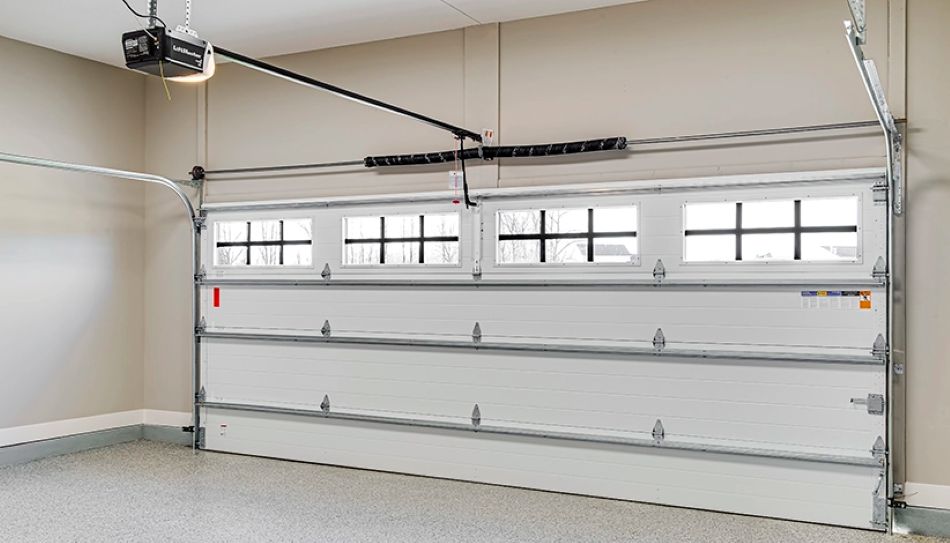
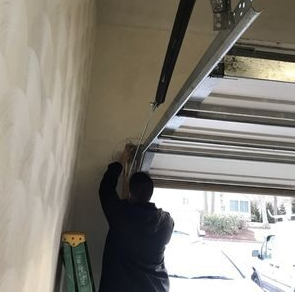
    Wiring a commercial garage door opener isn’t something you want to wing, it can lead to electrical hazards, code violations, or a door that just doesn’t work right. Whether you’re handling the install yourself or overseeing a contractor, knowing the basics helps you spot problems before they become expensive headaches. This is one area where professional garage door services really prove their worth, but understanding the fundamentals keeps you informed either way. The right approach involves the right tools, solid electrical knowledge, and strict adherence to safety protocols.

    Proper Tools and Equipment

    Before touching a single wire, make sure your toolkit is actually up to the task. A voltage tester is non-negotiable, you need to confirm power is completely off before you start messing with anything. Wire strippers should give you clean, precise cuts without nicking the copper beneath, and wire nuts should create connections that won’t come loose over time. Grab a screwdriver set with insulated handles, because regular ones aren’t worth the risk when electricity is involved.

    You’ll also need a drill with appropriate bits for mounting, a sturdy ladder, and safety glasses because debris has a way of finding your eyes. Keep a multimeter handy for testing circuits. Cheap tools make the job harder, invest in quality equipment, and the installation goes smoother.

    Understanding Electrical Basics

    A solid grasp of electrical fundamentals separates a safe installation from a dangerous one.

    Voltage compatibility matters more than most people realize. The opener has specific voltage requirements, and your electrical system needs to match. Running an incompatible voltage damages the motor and creates fire risks.

    Circuit knowledge matters just as much. Understanding how series and parallel configurations work helps you connect everything correctly without overloading the system or creating short circuits. If circuits seem confusing, that’s a sign to bring in someone who handles this regularly.

    Wire sizing might seem like a minor detail, but it’s actually critical. Undersized wires overheat under load, and overheated wires start fires. Match the wire gauge to the current requirements listed in the opener’s specifications, this isn’t a place to guess or substitute what you have on hand.

    Safety Precautions and Gear

    Electrical work demands respect, and commercial garage door openers are no exception. Before starting any wiring, put on insulated gloves and safety glasses. Use your voltage tester to confirm power is actually off; don’t just flip the breaker and assume it’s off. Circuits get mislabeled, and assumptions get people hurt.

    Proper grounding prevents electrical hazards that might not show up until something goes wrong. Follow all manufacturer instructions and local building codes without shortcuts. Code requirements exist because inspectors have seen what happens when people skip steps.

    Installing a commercial garage door opener requires attention to detail and consistent adherence to safety protocols. The right gear and precautions significantly reduce accident risks and result in an installation that passes inspection the first time.

    Identifying Wires and Connections

    Commercial garage door opener installations involve multiple wires serving different functions, and mixing them up causes problems ranging from non-functional doors to electrical fires.

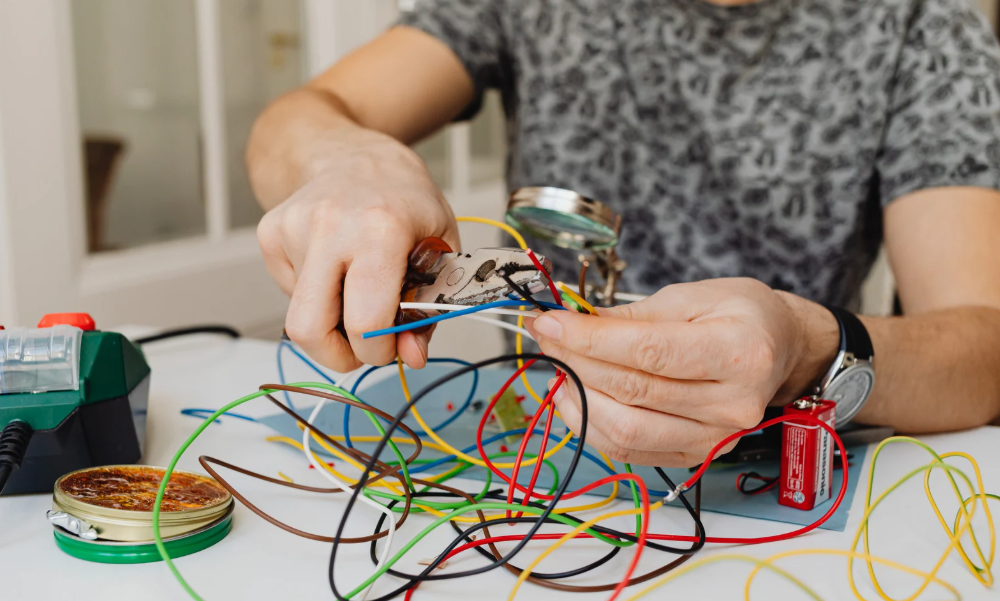
    Start by familiarizing yourself with standard color codes from the installation manual. Colors indicate specific functions, and manufacturers follow these conventions for good reason. As you work, label each wire with markers or tape, this saves headaches during troubleshooting down the road.

    Before powering anything up, compare your wiring connections against the manufacturer’s diagram. Errors at this stage cause malfunctions or safety hazards that are much harder to diagnose once everything is buttoned up.

    Following Manufacturer’s Guidelines

    The manufacturer’s guidelines exist because engineers tested these units extensively. These documents outline specific wiring instructions, safety requirements, and operational parameters that need to be followed precisely.

    Deviating from manufacturer recommendations doesn’t just void warranties; it compromises functionality and creates genuine safety risks. The guidelines reflect industry standards and lessons learned from installations that went wrong.

    By following the provided instructions carefully, you confirm that the installation is done correctly, and the opener will function efficiently for years.

    Testing and Inspection Processes

    After completing the wiring, thorough testing confirms everything works as intended. Use a multimeter to check voltage levels and verify they fall within the recommended range, voltages outside spec damage motors and shorten equipment life.

    Inspect all moving parts for wear, and lubricate components where the manual specifies. Smooth operation extends the lifespan of mechanical parts and reduces strain on the electrical system.

    Safety features require verification before calling the job complete. Test the auto-reverse mechanism by placing an obstruction in the door’s path, it should reverse immediately. Check that photo-eye sensors detect objects and stop the door appropriately. These features prevent injuries, and they’re required by code.


    Related Topics:
  • How to Install a Commercial Garage Door Opener for Maximum Efficiency

    How to Install a Commercial Garage Door Opener for Maximum Efficiency

    Installing a commercial garage door opener isn’t just about bolting hardware to a ceiling and calling it a day. The process requires thoughtful planning around size, weight, and how often that door will be cycling open and closed. Whether you’re handling the job yourself or working with Warwick’s reliable repair professionals, understanding each step helps you avoid costly mistakes down the road. This guide walks you through selecting the right opener, prepping your space, mounting the unit, wiring everything correctly, and keeping the system running smoothly for years to come.

    Choosing the Right Garage Door Opener

    Picking the right commercial garage door opener means matching the unit to your actual needs—not just grabbing whatever’s on sale. Think about the door’s size and weight, how many times per day it’ll be opening and closing, and what security features matter most to your operation. Heavy-duty applications call for a high-powered motor with enough horsepower to handle the workload without straining.

    Look for models with solid construction and dependable safety mechanisms that won’t quit on you mid-shift. You’ll also want to check compatibility with your existing garage door system and see what accessories are available if you need extras like remote monitoring, battery backup, or beefed-up security protocols. Taking time to weigh these factors helps you land on an opener that actually fits your situation.

    Preparing the Installation Site

    Getting the site ready before you start mounting anything saves headaches later. Clear out any junk, debris, or random stuff that’s going to get in your way during installation. Check your ceiling structure to confirm it can actually handle the opener’s weight and that you’ve got enough clearance for the unit to sit securely. Take a look at the electrical wiring in the area, too; you need to verify it meets the requirements for your specific opener model. Skipping these prep steps is how people end up with wobbly installations or electrical issues that could’ve been avoided with ten minutes of inspection upfront.

    Mounting the Garage Door Opener

    Start by positioning the opener in its designated spot. Make sure whatever surface you’re mounting to is structurally sound and can support the unit’s weight without sagging or shifting. Grab a level and confirm the opener sits correctly aligned before you mark your mounting holes.

    Secure the opener to the ceiling or wall with the right hardware, you want it firmly attached so it doesn’t vibrate loose during operation. Stick to the manufacturer’s instructions for your specific model since mounting requirements vary. Give everything a stability check before moving forward. Solid mounting is the foundation for safe, efficient operation.

    Wiring and Programming

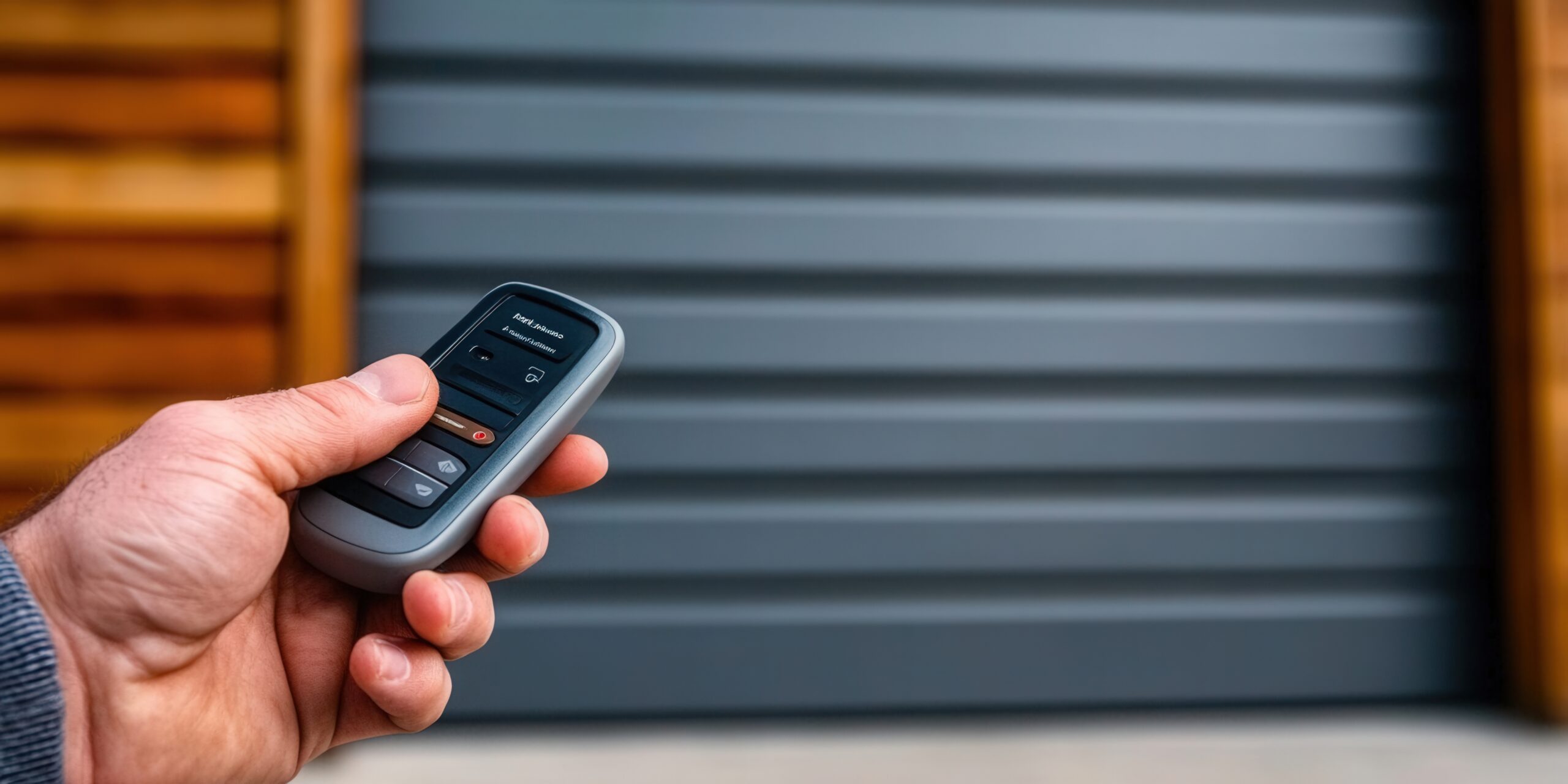
    Now comes the technical part. Connect the power source to the opener according to the manufacturer’s directions, making sure all connections are secure and properly insulated. Wire up the control station, safety sensors, and any additional accessories using the wiring diagram that came with your unit. Test each connection for continuity and correct voltage levels before proceeding, this isn’t the step to rush through. Once wiring is squared away, program the opener by setting open and close limits, adjusting force settings, and syncing up any remote controls or keypads. Your user manual has the specific programming sequences and troubleshooting info if something’s acting weird.

    Testing and Adjusting

    With wiring and programming done, it’s time to make sure everything actually works. Test the door’s movement and watch for smooth operation without jerking or stalling. Check the balance by disconnecting the opener and manually lifting the door, it should stay open on its own.

    Adjust force settings so the door doesn’t slam shut with excessive power. Verify your safety features work properly by placing something in the door’s path while it’s closing to test the auto-reverse mechanism. Fine-tune the open and close limits until you get precise positioning. Inspect sensor alignment and tweak as needed for reliable performance.

    Maintenance Tips and Best Practices

    Regular maintenance is what separates openers that last a decade from ones that crap out in three years. Do visual inspections routinely to spot wear or damage on the opener, tracks, and cables before small problems become expensive ones. Tighten loose hardware and lubricate moving parts like hinges, rollers, and chains to keep everything running smoothly.

    Test safety features regularly, that auto-reverse mechanism exists to prevent accidents, so make sure it’s actually functional. Keep electrical components clean and dry to avoid malfunctions. Follow whatever maintenance schedule the manufacturer recommends and bring in a professional for servicing at least once a year. Staying on top of these basics extends your opener’s lifespan and keeps it running efficiently.


    Related Topics:

  • Easy Steps for Replacing the Battery in Your Garage Door Opener Keypad

    Easy Steps for Replacing the Battery in Your Garage Door Opener Keypad

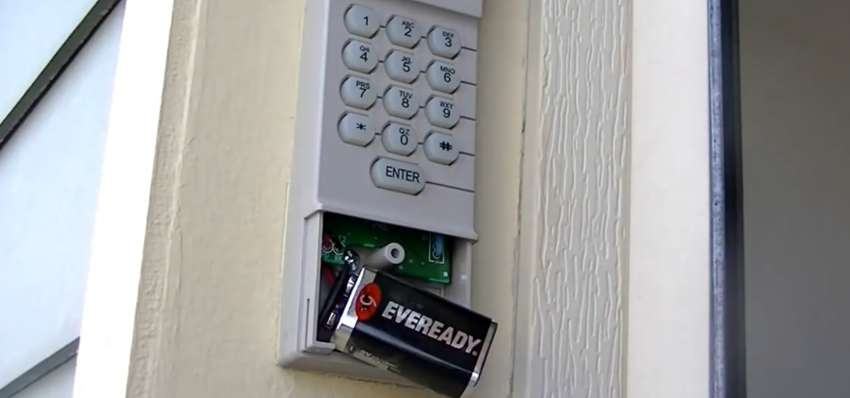
    Replacing the battery in your garage door opener keypad is a simple task most homeowners can do with confidence. It’s a great way to keep things running smoothly between visits from garage door companies, who remain essential for more advanced repairs. All you need is a small Phillips screwdriver, a fresh 9-volt battery, and a clean cloth. This quick guide walks you through the steps from opening the compartment to testing the keypad. In just a few minutes, your keypad will be working perfectly again while it would stil be helpful to rely on garage door companies when it truly matters.

    Gather Your Tools

    Before you start, collect everything you need to complete the job smoothly. Grab a small Phillips-head screwdriver, typically a #1 or #2, to remove the screws on the keypad cover. Pick up a fresh 9-volt alkaline battery, which is the standard power source for most garage door opener keypads. Keep a clean cloth or alcohol wipes nearby to wipe away any dust or debris inside the battery compartment. A flashlight can help if the area around your keypad isn’t well lit. Having these tools ready before you begin makes the whole process faster and easier.

    Locate the Battery Compartment

    Find the battery section on your garage door opener keypad by checking the back or underside of the device. Look for a small cover or panel that houses the battery. The compartment is usually secured with screws or a sliding latch. Using a screwdriver or your fingers, depending on the design, carefully remove the screws or slide the latch to open the section. Inside, you’ll see the old battery that needs replacing. Pay attention to how the battery sits in the compartment so you can put the new one in correctly. The correct polarity is typically marked inside the compartment with plus and minus symbols.

    Remove the Old Battery

    Carefully remove the old battery to avoid damaging any internal components.

    1. Locate the battery compartment: Check the back or bottom of the keypad.
    2. Identify the battery orientation: Note the position of the positive (+) and negative (-) terminals before removing anything.
    3. Remove the battery: Push the battery gently from the compartment, applying even pressure to avoid bending or damaging the contacts.

    Insert the New Battery

    Place the new battery into the compartment with the positive and negative terminals correctly oriented. Check the markings inside the battery compartment to line up the terminals accurately. Slide the battery in gently, making sure it fits snugly. Once the battery is positioned correctly, close the compartment cover securely to prevent any shifting. Make sure the cover is tightly sealed so power flows without interruption. Give the keypad a gentle shake to confirm the battery doesn’t rattle or move. Remember to dispose of the old battery properly at a recycling center or designated drop-off location.

    Test the Keypad

    Confirm that your keypad works correctly after the battery replacement.

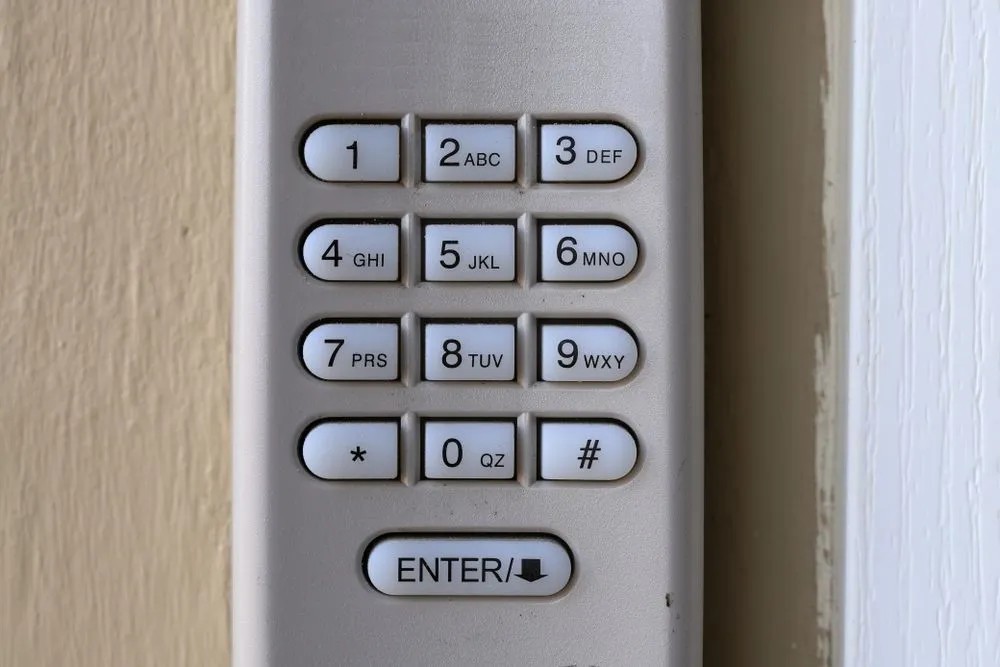
    1. Enter Code: Enter your usual access code on the keypad to verify that the numbers are entered correctly.
    2. Press Buttons: Press each button on the keypad to make sure they all respond with a click and feel secure.
    3. Test Garage Door: Input your code and press the “Enter” or “Open” button to verify that the garage door responds properly.

    Running these tests confirms that the keypad operates as expected with the new battery. If any issues persist, refer to the manufacturer’s instructions or consider replacing the keypad entirely.

    Secure the Battery Compartment

    After confirming the keypad works, reattach the battery compartment cover securely. Locate the battery cover on the back of the keypad and align it with the compartment opening. Slide it into place until it clicks shut. Make sure the cover sits flush with the keypad, with no gaps. Tighten the screws using a screwdriver to hold the cover in place. Keep the screws snug but don’t overtighten them since that can crack the plastic housing. Once the battery compartment is securely closed, test the keypad again to confirm everything functions properly. This final step protects the battery and keeps your garage door opener keypad running reliably for months to come.


    Related Topics:

  • A Beginner’s Guide to Changing Your Garage Door Code

    A Beginner’s Guide to Changing Your Garage Door Code

    Keeping your garage secure starts with knowing how to update your access code. Warwick’s garage door services can help with complex issues, but changing your code is something most homeowners can handle on their own. You’ll need basic tools like a screwdriver and your opener’s manual to get started. This guide walks you through each step from locating your opener to testing your new code. Follow along to protect your home and gain peace of mind.

    Why You Should Update Your Garage Door Code Regularly

    Changing your garage door code regularly helps protect your home from unauthorized access. When you update the code frequently, you reduce the risk of intruders gaining access to your garage and potentially your house. This simple habit ensures only people you trust can enter your property. Regular code changes also prevent unauthorized duplication, strengthening your home’s overall security. Taking this step shows you’re serious about protecting your family and belongings. Periodically updating your code can also reveal weak points in your garage door system, giving you the chance to fix them before problems arise. Security should always come first, and updating your garage door code is one of the easiest ways to stay protected.

    Gather Your Tools and Information

    Before you start, collect everything you need for a smooth code change.

    • Tools Needed:
    1. Screwdriver
    2. New batteries (if needed)
    3. Smartphone or computer for reference

    Make sure you have the manufacturer’s manual for your garage door opener handy. Different models use different methods for code changes, so the manual is your best reference. Take time to learn about your garage door system’s safety features to avoid accidents while you work. Understanding the steps and precautions ahead of time helps you complete the code change without running into problems.

    Find Your Garage Door Opener

    Your garage door opener should be easy to reach when you’re ready to change the code. Most openers mount on the ceiling near the center of the garage. Some models also have a wall-mounted control panel inside the garage. Check that the opener has working batteries and operates correctly before you begin. Spend a few minutes learning how the opener works and familiarizing yourself with its buttons and functions. This knowledge will come in handy when you reset the code. Keep the manual nearby for quick reference if needed. Having everything within reach speeds up the process and prevents unnecessary interruptions.

    How to Reset Your Garage Door Code

    Follow these steps to reset your code and keep your garage secure:

    1. Find the Reset Button: Look for a small reset button on your garage door opener. You can usually press it with a paperclip or similar tool.
    2. Press and Hold: Push and hold the reset button until the indicator light on the opener starts blinking. This typically takes a few seconds.
    3. Enter Your New Code: Once the light blinks, type a new code on your garage door keypad. Pick something easy for you to remember but hard for others to guess.

    Test Your New Code

    After setting your new code, make sure it works properly. Enter the code on the keypad and watch the door open and close smoothly. Step inside the garage and use the remote control to confirm the code works from a distance. Test the safety sensors by placing an object in the door’s path; the door should stop and reverse when it detects an obstruction. Once everything checks out, you can feel confident that your garage is secure and that your code change was successful.

    Extra Security Tips for Your Garage

    Motion-sensor lights around your garage add another layer of protection. These lights discourage potential intruders and alert you to any movement near your garage. Here are three more ways to keep your garage safe:

    1. Keep Your Remote Secure: Always carry your garage remote or store it in a safe place to prevent unauthorized access.
    2. Schedule Maintenance Checks: Inspect your garage door and its security features regularly to make sure everything works correctly.
    3. Limit Access: Share your garage door code only when necessary. Fewer people with access means better security for your home.


    Related Topics:

  • How Long Does a Garage Door Opener Last?

    How Long Does a Garage Door Opener Last?

    A garage door opener typically lasts between 10 and 15 years. However, the frequency of use, the type of opener you have, and how well you maintain it can significantly impact its lifespan. Regular maintenance, such as lubrication and component inspections, can extend its longevity, and choosing a high-quality opener from a reputable brand also makes a difference. Catching early warning signs, such as increased noise or uneven movement, helps determine when replacement is necessary for safety and efficiency. A reliable garage door company can assess your opener’s condition and recommend repairs or upgrades based on its age and performance. Knowing these factors keeps your system running smoothly and helps you plan for future maintenance.

    What Is the Average Lifespan of a Garage Door Opener?

    How long do garage door openers last before they need maintenance or replacement? On average, a garage door opener lasts between 10 and 15 years. However, factors such as usage frequency, the type of opener, and maintenance can all influence how long it lasts. Openers that are frequently used or exposed to harsh weather conditions may wear out faster. Proper installation and regular maintenance, such as lubricating parts and checking for worn components, can help prolong its operational life. Investing in a high-quality garage door opener from a trusted manufacturer ensures better durability and a longer lifespan. Knowing the typical lifespan helps homeowners anticipate when maintenance or replacement may be needed.

    Factors That Impact the Longevity of Your Garage Door Opener

    Several factors affect the longevity of a garage door opener. These include usage patterns, the type of opener, climate conditions, installation quality, and maintenance practices. Frequent use naturally accelerates wear, and openers in extreme temperatures or high humidity may deteriorate faster. Additionally, poor installation can lead to premature issues, reducing the lifespan of the opener. Regular maintenance, such as lubricating moving parts, inspecting worn components, and ensuring everything is aligned, is essential for maintaining the opener’s longevity. By understanding these factors and taking proactive measures, homeowners can maximize the durability of their garage door openers.

    Signs That It’s Time to Replace Your Garage Door Opener

    Recognizing the signs that your garage door opener may need to be replaced is crucial for maintaining safety and functionality. One of the most common indicators is increased noise during operation, often caused by worn-out gears or bearings. If the door begins to move unevenly or jerks during opening or closing, this could indicate issues with the opener. A delayed response to remote commands may suggest motor or electronic malfunctions. Visible damage, such as frayed cables or misaligned tracks, also signals the need for attention. If you observe any of these issues, it may be time to replace your garage door opener to avoid further damage or safety risks.

    Essential Maintenance Tips for Extending Opener Lifespan

    Regular maintenance is key to prolonging the life of your garage door opener. Inspect key components like springs, cables, and rollers for signs of wear. Lubricate moving parts, such as hinges and tracks, to minimize friction and prevent premature wear. Ensure the opener’s motor stays clean and free of dust and debris to maintain its efficiency. Periodically check the door’s balance to prevent unnecessary strain on the opener. Finally, test the safety features, including the auto-reverse mechanism, to ensure they’re functioning correctly. By sticking to these maintenance practices, you can significantly extend the life of your garage door opener.

    Upgrade Your Garage Door Opener for Better Performance

    If your opener is nearing the end of its lifespan, consider upgrading it to enhance both performance and security. Modern openers feature smart connectivity, battery backup, and advanced security technology. Rolling code technology, for instance, generates a new code every time the remote is used, preventing unauthorized access. Additionally, upgrading to a quieter belt-drive system can reduce operational noise, creating a more pleasant experience. These upgrades not only improve functionality and security but also help extend the opener’s lifespan.

    Why Professional Service Matters for Your Garage Door Opener

    Routine professional service is essential to keeping your garage door opener in peak condition. Having an expert inspect and service your opener at least once a year can help identify potential problems early, preventing costly repairs. During these visits, technicians can lubricate parts, check spring tension, inspect safety sensors, and make necessary adjustments. Professionals also provide valuable insights into how to maintain your opener and maximize its longevity. Prioritizing professional service ensures that your garage door opener functions smoothly for years to come.

    Contact Us

    At Patriots Overhead LLC, we’re committed to providing fast, reliable garage door services across Rhode Island and the Greater Boston area. Whether you need emergency repairs, a new installation, or routine maintenance, our team is here to help.

    📍 Office Location: 927 W Shore Rd, Warwick, RI 02889

    📞 Phone: (401) 365-5178

    🕒 Hours of Operation:

    Monday–Friday: Open 24 hours

    Saturday: 9:00 AM – 5:00 PM

    Sunday: Closed

    📧 Email: Available upon request

    💬 Stay Connected:

    Sign up for updates, special offers, and helpful info via text. Opt-in anytime and opt-out whenever you choose.

    For more details or to request a quote, visit our Contact Us.


    Related Topics:

  • What is the Most Commonly Used Type of Garage Door?

    What is the Most Commonly Used Type of Garage Door?

    Understanding Different Types of Garage Doors

    Before choosing a garage door, it’s important to evaluate the available types and mechanisms to ensure long-term performance and functionality.
    Garage doors generally fall into four main categories: single-panel, roller, sectional, and side-hinged doors.

    • Single-panel doors lift outward in one piece, requiring clearance in front of the garage.
    • Roller doors open vertically, rolling into a compact drum above the entry, ideal for limited ceiling space.
    • Sectional doors consist of multiple horizontal panels hinged together, allowing smooth vertical motion.
    • Side-hinged doors swing open like traditional doors, providing easy pedestrian-style access.

    Choosing the right type often depends on space availability, insulation needs, and design preference.

    Why Sectional Garage Doors Are the Most Popular

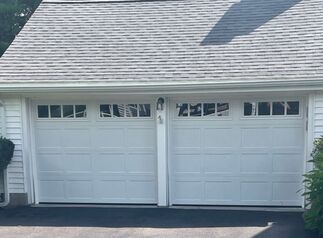
    Sectional garage doors are constructed from connected panels that glide vertically upward, guided by tracks into the ceiling space.
    This design optimizes headroom, enhances energy conservation, and provides smooth, quiet operation, ideal for modern homes and commercial buildings.

    Key advantages include:

    1. Excellent Insulation – Many sectional doors feature insulated steel or composite panels that help regulate garage temperature.
    2. Durable Materials – Available in steel, aluminum, and wood options to fit both aesthetic and performance goals.
    3. Automation Ready – Can easily be paired with smart openers for remote or voice-activated access.
    4. Design Flexibility – Offered in numerous finishes, colors, and window configurations to match any exterior style.

    Roll-Up Garage Doors: Durable and Space-Saving

    Roll-up garage doors, often used in commercial or warehouse settings, operate by rolling metal slats around a drum above the entry.
    This design maximizes vertical space and provides outstanding resistance to impact or forced entry.
    Constructed mainly from steel or aluminum, these doors are known for their security and longevity.

    Because of their heavy-duty construction, roll-up doors are often found in industrial facilities, storage units, and workshops, where reliability and security are top priorities.

    Slide-to-Side Garage Doors

    Slide-to-side garage doors, or side-sliding doors, operate by moving horizontally along a lower track, positioning themselves neatly against a wall.
    They are perfect for garages with limited overhead clearance and can be manually or automatically operated.

    Benefits include:

    • Space-saving operation, no vertical lift required.
    • Smooth gliding motion for easy use.
    • Adjustable sizing for irregular openings.
    • Enhanced locking mechanisms for added protection.

    This type is particularly practical for older garages or properties with architectural constraints.

    Side-Hinged Garage Doors: Classic and Practical

    Side-hinged garage doors open outward like traditional double doors and are prized for their simplicity and classic design.
    These are commonly built from steel, aluminum, or wood, offering options for improved insulation and security.

    Their low-maintenance design and easy manual operation make them a reliable choice for homeowners who value traditional style with modern materials.

    Why Homeowners Prefer Sectional Overhead Doors

    Across multiple customer surveys and market studies, the sectional overhead door consistently ranks as the top-selling garage door style.
    Here’s why:

    1. Space Efficiency – The vertical lift mechanism keeps the driveway clear.
    2. High Security – Equipped with multiple locking points and tamper-resistant tracks.
    3. Energy Efficiency – Insulated panels reduce heat transfer, improving home comfort.
    4. Custom Options – Available in a wide range of textures, finishes, and smart automation features.

    In short, the sectional garage door offers a balanced combination of functionality, design, and security, making it the go-to choice for modern homeowners.


    When evaluating the most common garage door type, the evidence, from industry data to customer reviews, points clearly toward sectional garage doors. Their versatility, efficiency, and proven reliability make them the preferred solution for both residential and commercial applications.

    Contact Us

    At Patriots Overhead LLC, we’re committed to providing fast, reliable garage door services across Rhode Island and the Greater Boston area. Whether you need emergency repairs, a new installation, or routine maintenance, our team is here to help.

    📍 Office Location: 927 W Shore Rd, Warwick, RI 02889

    📞 Phone:
    (401) 365-5178

    🕒 Hours of Operation:
    Monday–Friday: Open 24 hours
    Saturday: 9:00 AM – 5:00 PM
    Sunday: Closed

    📧 Email:
    Available upon request

    💬 Stay Connected:
    Sign up for updates, special offers, and helpful info via text. Opt-in anytime and opt-out whenever you choose.

    Related Topics:

  • How to Paint a Garage Door Like a Pro

    How to Paint a Garage Door Like a Pro

    Still, homeowners can also achieve professional results themselves by properly preparing the door, choosing the right paint, and applying it carefully. This guide explains each step from preparation to finishing touches, ensuring a smooth, long-lasting paint job that enhances the door’s appearance and durability.

    Preparing the Garage Door Surface

    Before painting, the garage door surface must be thoroughly prepared to achieve a smooth and lasting finish. Begin by cleaning the door using a mixture of water and a mild detergent to remove dirt, grease, and mildew. Allow the surface to dry completely.

    Next, inspect for cracks, holes, or imperfections and fill them with high-quality wood filler or a suitable patching material. Sand the door lightly with fine-grit sandpaper to create a smooth surface for paint adherence. Applying a good primer ensures the topcoat bonds properly and enhances durability, which is essential for a professional-looking result.

    Choosing the Right Paint and Tools

    Selecting the appropriate paint and tools makes a noticeable difference in the outcome. Use high-quality exterior latex paint designed for metal surfaces, as it resists weathering and prevents peeling. Consider the color carefully to complement your home’s overall aesthetic.

    For tools, a synthetic-bristle brush works well for detailed areas, while a roller covers larger surfaces more efficiently. Painter’s tape can protect edges and surrounding areas, and a stable ladder is necessary to reach higher sections of the door safely.

    Cleaning and Priming the Door

    Cleaning and priming the garage door surface is critical to achieving a flawless finish. Wash the door thoroughly to remove dirt and grime, then sand lightly to smooth the surface. Fill any cracks or holes with an appropriate filler, ensuring the repairs are flush with the surrounding surface.

    Apply a quality primer evenly across the entire door, allowing it to dry completely before painting. Proper priming improves paint adhesion and extends the finish’s longevity, preventing early wear.

    Applying the Paint

    Once the primer has dried, the door is ready for paint. Mix the paint thoroughly for a consistent color, and apply it with smooth, even strokes using a brush or sprayer. Begin at the top and work down to prevent drips and streaks. Pay careful attention to recessed panels and edges to ensure full coverage.

    Allow the first coat to dry completely, then apply a second coat if necessary. Following the manufacturer’s instructions for drying times and conditions ensures the paint cures properly and maintains a durable finish.

    Adding Finishing Touches

    After the final coat has dried, finishing touches enhance both appearance and functionality. Adding weatherstripping seals gaps to prevent drafts and moisture intrusion. Upgrading worn hardware, such as handles and hinges, refreshes the door’s look. Decorative accents or trim can add visual interest and complement the style of the home.

    Applying a protective topcoat provides extra resistance against the sun, rain, and other elements. Careful attention to these details ensures a polished and durable final result.

    Maintaining Your Painted Garage Door

    Regular maintenance keeps the garage door looking fresh and protects it from damage. Wash the door periodically with a mild detergent and water, rinse thoroughly, and dry with a soft cloth. Inspect for signs of peeling, cracking, or other damage and touch up areas as needed.

    Repainting every few years can restore color and protect the surface from weathering. Routine maintenance ensures that the garage door remains an attractive and functional feature of the home for years to come.


    Related Topics:

  • How to Reset Garage Door Opener: Troubleshooting Tips

    How to Reset Garage Door Opener: Troubleshooting Tips

    This guide walks you through the most common troubleshooting steps. You’ll learn about power cycling, battery replacement, remote control fixes, and sensor problems. These simple techniques can save you time and money on repair calls.

    Power Cycle the Garage Door Opener

    Start by power cycling your garage door opener to reset the system and fix basic issues. Find the power cord connected to the opener motor and unplug it from the wall outlet.

    Wait about 30 seconds so all parts can fully reset. Plug the power cord back in and watch how the opener responds.

    If it still doesn’t work, check your circuit breaker to make sure it hasn’t tripped. Also, look at the power outlet for damage or loose connections. This simple reset often fixes minor problems quickly.

    Check and Replace Batteries

    Look at the battery compartment of your remote control for corrosion or weak batteries. Corrosion blocks electrical connections and causes problems.

    If you see corrosion, clean it carefully with a small brush or cloth dipped in vinegar. Make sure batteries are inserted correctly with the right polarity. Weak batteries cause strange behavior in garage door openers.

    Replace old batteries with fresh ones of the same type. Use good-quality alkaline batteries for the best results. Regular battery checks keep your opener working smoothly.

    Reset the Remote Control

    Fix remote control problems by resetting the connection between your remote and opener. Find the ‘Learn’ button on the opener unit near the antenna. Press and hold this button until the light turns on, then let go. Press the button you want to use on your remote within 30 seconds.

    The opener light should flash to show successful programming. Test your remote to make sure it works with the garage door. If problems continue, check that your remote has fresh batteries and you’re close enough to the opener.

    Adjust the Limit Settings

    Use the adjustment screws on your garage door opener to fix how far the door opens and closes. Turn the ‘open’ screw clockwise to make the door go higher or counterclockwise to make it stop lower. Use the ‘close’ screw the same way to adjust the closing position.

    Make small changes and test the door after each adjustment. The door should move smoothly without stopping or jerking. Keep adjusting until the door reaches the right position. Check your owner’s manual for specific instructions about your model.

    Inspect and Replace Sensors

    Check the sensors that keep your garage door safe by detecting objects in the door’s path. Look at sensor alignment and cleanliness first since misaligned or dirty sensors cause malfunctions. Use a level to check proper alignment and a soft cloth to clean off dirt or debris.

    If sensors still don’t work after cleaning and aligning, you may need to replace them. Follow manufacturer guidelines for compatible replacements and installation instructions to restore proper operation.

    Consult the Owner’s Manual

    Your owner’s manual contains specific information about your garage door opener model. It includes wiring diagrams, programming steps, troubleshooting charts, and safety information.

    Use the table of contents to find what you need quickly. Pay attention to warnings and notes from the manufacturer. The manual may also have contact information for customer support if you need extra help.


    Related Topics:

  • How to Open Garage Door Manually Safely and Easily

    How to Open Garage Door Manually Safely and Easily

    Manual operation requires awareness and care, including clearing the area, checking for obstacles, and disengaging the automatic opener. Learning the proper steps helps prevent damage to the door and avoids potential injuries. In the following guide, you will find practical advice on each stage of manually opening a garage door.

    Safety Precautions

    Before attempting to operate a garage door manually, make sure the area is clear of children, pets, and any objects that could interfere with the door’s movement. Inspect the door for signs of damage or wear that might affect safe operation.

    Disconnect the automatic opener so that it does not activate while you are lifting the door. Always lift with your legs, not your back, to reduce the risk of strain. Taking these precautions ensures the process remains safe and controlled, preventing accidents and protecting both the door and anyone nearby.

    Locate Emergency Release Handle

    The emergency release handle is a critical feature that allows manual operation. Typically, it appears as a red cord hanging from the garage door opener near the center track. In some garages, the location may vary, so checking the owner’s manual can help.

    Ensure the garage door is fully closed before pulling the handle. Gently pull it downward and away from the door to disengage the automatic opener. This allows the door to move freely and safely without resistance from the motorized system.

    Disconnect Garage Door Opener

    To manually operate the door, disconnect the opener by pulling the emergency release cord. This cord usually hangs from the opener rail and is colored red. Pulling it down releases the door from the automatic system.

    You may hear a click, which confirms the mechanism has disengaged. Make sure the door is fully closed before doing this. Once disconnected, the door can be lifted by hand, allowing you to manage it safely until the opener is reconnected.

    Lift the Garage Door

    Manually lifting the garage door requires steady and even pressure. Stand facing the door with feet positioned for balance. Grasp the bottom edge of the door with both hands, bending your knees slightly to engage your legs.

    Lift the door gradually, keeping the movement controlled to avoid sudden jerks or strain. This method ensures the door opens smoothly while minimizing the risk of injury.

    Secure the Garage Door

    Once the door is lifted, secure it in place before leaving it unattended or working around it. Many doors include handles or locking levers that hold the door steady. Confirm that any locking mechanism engages fully.

    If you disengaged the opener using the emergency release cord, you can check that it stays in place by gently attempting to move the door. Securing the door prevents it from falling unexpectedly and maintains safety during maintenance or temporary manual use.

    Reconnect Garage Door Opener

    After the manual operation is complete, reconnect the opener to restore automatic functionality. Locate the emergency release cord on the opener and pull it toward the door until you hear a click.

    This indicates the opener has re-engaged with the door. Test the system by using the remote or wall control to verify proper operation. Correctly reconnecting the opener ensures the garage door functions smoothly and safely during normal operation.


    Related Topics:

  • How to Program a Garage Door Opener: A Step-by-Step Guide

    How to Program a Garage Door Opener: A Step-by-Step Guide

    The process involves gathering basic tools, finding the right buttons, and testing your work. This guide walks you through each step to help you complete the job safely and correctly.

    Gather Required Tools

    Before you program garage door opener systems, collect the tools you need for the job. Get a ladder to reach the opener unit, your owner’s manual, and a flashlight for better lighting.

    You’ll also want a pen and paper to write down codes or notes during setup. Check that your remote has fresh batteries before starting. Smart openers need internet access, so make sure your connection works properly.

    Locate the Learn Button

    Finding the Learn Button is your next step in the programming process. Look for the motor unit hanging from your garage ceiling, usually in the center area. The Learn Button sits on this unit and comes in different colors, like red, green, or black.

    This button helps sync your remote with the opener system. Keep your remote close by when you find the Learn Button, as you’ll need both items for the next steps.

    Clear Existing Programming

    Clearing old codes helps prevent problems with your new setup. Find the Learn Button on your garage door opener motor unit first. Hold this button down for 10-15 seconds until the light blinks or turns off completely.

    This action erases all previous remote and keypad codes from the system memory. Wait for the light to confirm the clearing process worked before moving forward with new programming.

    Program Remote Control

    Start by checking that your remote has working batteries for the best results. Here’s how to program your remote:

    • Stand close enough to the garage door opener for good signal strength.
    • Find the Learn Button on the opener motor unit.
    • Press and release the Learn Button, then within 30 seconds, hold down the remote button until the opener light blinks.

    Following these steps exactly will give you a working remote. A properly programmed remote makes using your garage much more convenient.

    Program Keypad (If Applicable)

    Setting up your keypad gives you another way to open your garage door. Press the learn button on the opener until the light blinks. Choose a personal PIN and enter it on the keypad, then press Enter or Send.

    Watch for the opener light to flash or make a clicking sound. Test your keypad by entering your PIN and pressing Enter again. Keep your PIN private and don’t share it with people you don’t trust.

    Test the Garage Door Opener

    Testing your work confirms that everything operates correctly after programming. Press your remote button from inside your garage to check the connection. Here are three important things to watch during testing:

    • Watch Door Movement: Make sure the door opens and closes smoothly without jerking or making strange sounds.
    • Check Response Time: The door should move right away when you press the remote button.
    • Test Safety Features: Put something in the door’s path to make sure it stops and reverses when it hits an object.


    Related Topics: