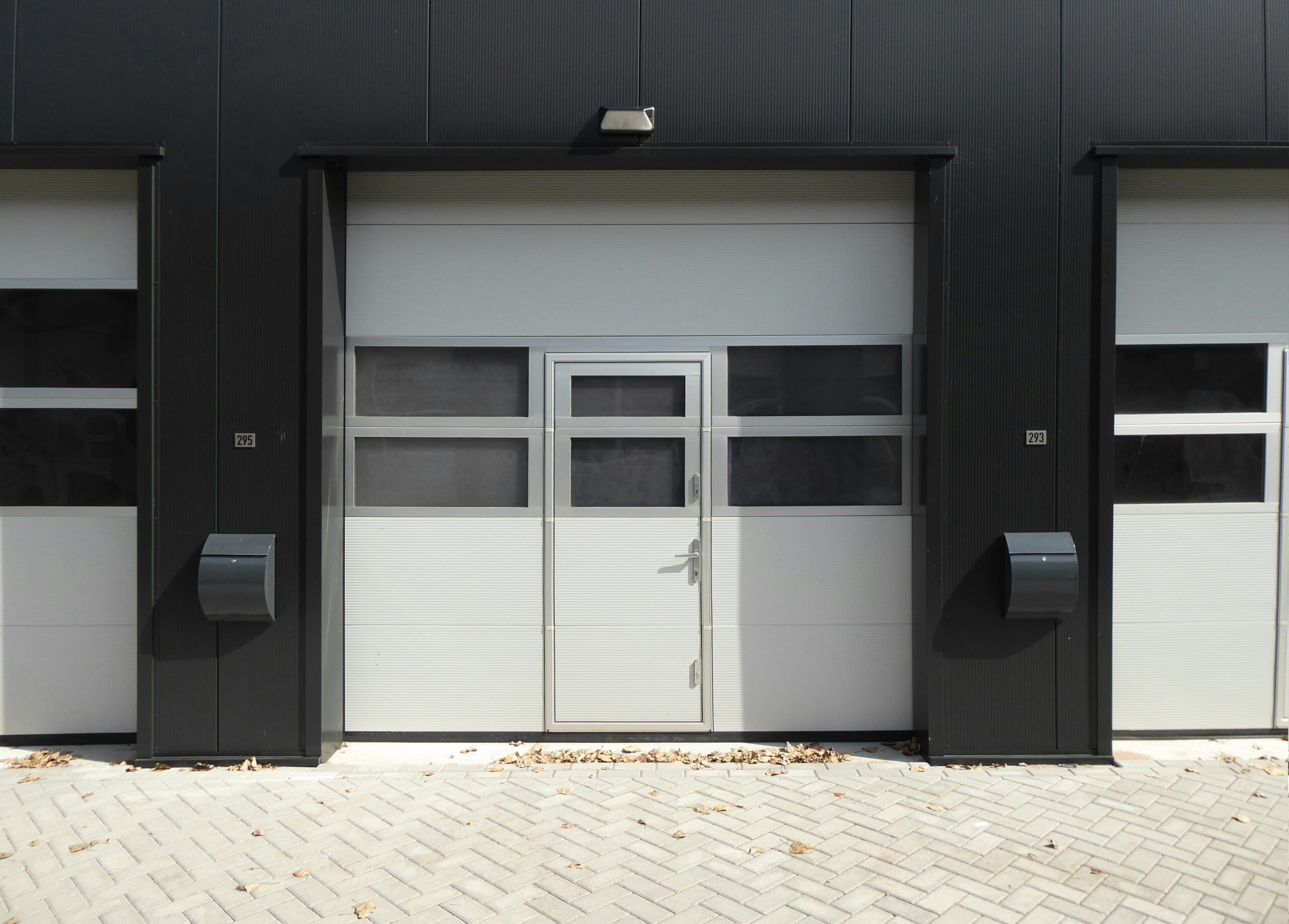
Warwick winters are cold. Summers are hot and humid. If your garage shares a wall with your home or if you use the space as a workshop or extra room, what’s happening on the other side of the garage door has a direct effect on how comfortable and energy-efficient your home is. Booking efficient garage door services for an insulated door is one of the more practical upgrades a Warwick homeowner can make, and the benefits go well beyond temperature control.
What Makes a Garage Door “Insulated”?
Not all garage doors are built the same. An insulated garage door includes a layer of insulating material, typically polyurethane foam or polystyrene, sandwiched between the door panels. The effectiveness of that insulation is measured by its R-value. The higher the R-value, the better the door resists heat transfer.
Single-layer doors have no insulation. They’re the least expensive option upfront and the least effective at blocking temperature, sound, or impact. Double-layer doors add one layer of insulation backing. Triple-layer doors, which have steel on both sides with insulation in between, offer the best performance for both temperature control and durability. For Warwick homeowners who use their garage daily, the upgrade is worth the cost difference.
Lower Energy Bills Year-Round
An uninsulated garage acts like a gap in your home’s thermal barrier. In January, cold air fills the garage and moves through shared walls into the rooms your heating system is already working to keep warm. In July, trapped heat from the garage does the same thing in reverse.
An insulated garage door reduces that heat transfer. The savings depend on how well-sealed the rest of your garage is, but households that heat or cool attached garages consistently see measurable differences in energy use after switching to an insulated door. For homeowners who treat the garage as a workspace, the difference is felt immediately.
Better Temperature Control in the Garage
If you spend any regular time in your garage, temperature matters. Whether you’re doing car work, running a home gym, or working out of a shop, a garage that climbs to 95 degrees in August or drops below freezing in February isn’t usable for much of the year.
An insulated door won’t turn your garage into a climate-controlled space on its own, but it eliminates one of the biggest sources of temperature swings. Combined with proper weather sealing and basic ventilation, an insulated door extends the usable season of your garage significantly.
Quieter Operation Every Day
Insulated garage doors are noticeably quieter than single-layer steel or aluminum doors. The insulation material absorbs vibration and reduces the rattling and banging that travel through a hollow-panel door.
This matters most in homes where the garage sits adjacent to bedrooms, a home office, or main living space. If someone in your household leaves early in the morning or works from home near the garage, the noise difference between an insulated and a non-insulated door is significant.
Added Durability Against New England Weather
Rhode Island weather puts a lot of stress on a garage door. Freeze-thaw cycles, wind, rain, and humidity all take a toll over time. Insulated doors, particularly triple-layer steel construction, hold up better under those conditions than hollow-panel alternatives.
A solid-core insulated door flexes less under extreme temperature swings than a hollow door, which means less warping, fewer alignment issues, and less stress on the springs and tracks over time. The door is more rigid, which typically translates to a longer service life and fewer repairs.
Higher Home Value Before You Sell
A new garage door consistently ranks among the top home improvement investments by return on cost. An insulated door offers more selling points than a basic replacement: energy efficiency, durability, and curb appeal. All three matter to buyers in the current Rhode Island market.
For Warwick homeowners planning to sell in the next few years, upgrading to an insulated door is a project that adds measurable value and improves daily comfort while you’re still living there.
Is an Insulated Garage Door Right for Your Home?
For most Warwick homes, the answer is yes. If you have an attached garage, an insulated door helps protect the shared wall between the garage and your living space. If you use your garage daily, the comfort and noise benefits are noticeable from day one. If your current door is more than 15 years old, a replacement is worth considering regardless of insulation type.
The main reason to choose a non-insulated door is upfront cost. Single-layer doors are less expensive initially but cost more over time in energy loss and added wear on the door’s components. For most homeowners, the insulated option is the better long-term choice.
Related Topics:
Leave a Reply